TIGRAN PETROSYAN: HUMAN CAPITAL DEVELOPMENT IN THE FIELD OF VETERINARY MUST BE OUR PRIORITY
home
 Information
News
TIGRAN PETROSYAN: HUMAN CAPITAL DEVELOPMENT IN THE FIELD OF VETERINARY MUST BE OUR PRIORITY
Information
News
TIGRAN PETROSYAN: HUMAN CAPITAL DEVELOPMENT IN THE FIELD OF VETERINARY MUST BE OUR PRIORITY
TIGRAN PETROSYAN: HUMAN CAPITAL DEVELOPMENT IN THE FIELD OF VETERINARY MUST BE OUR PRIORITY
 SEE ALL
2026-04-01 18:02:19
 1112
1112
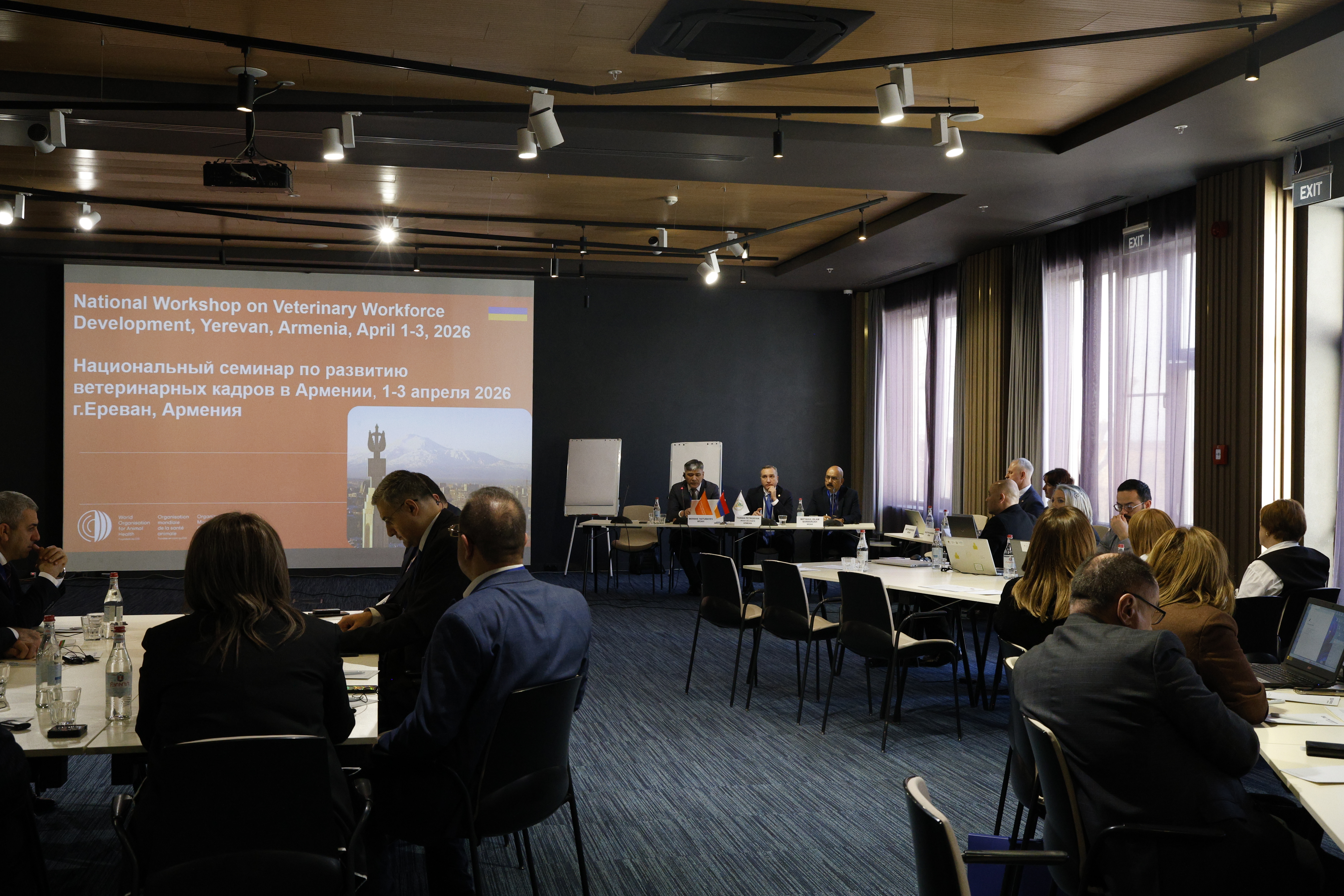
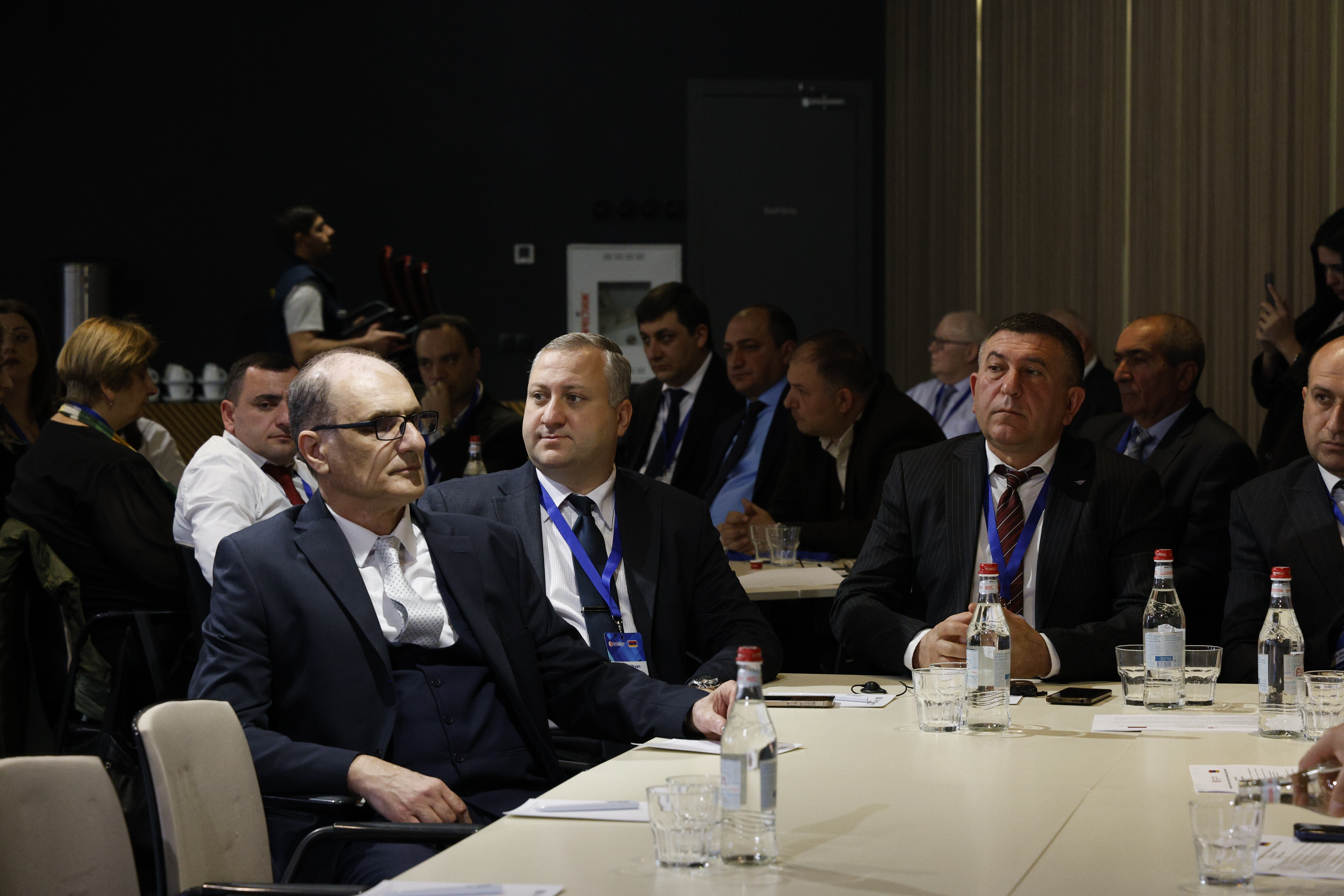
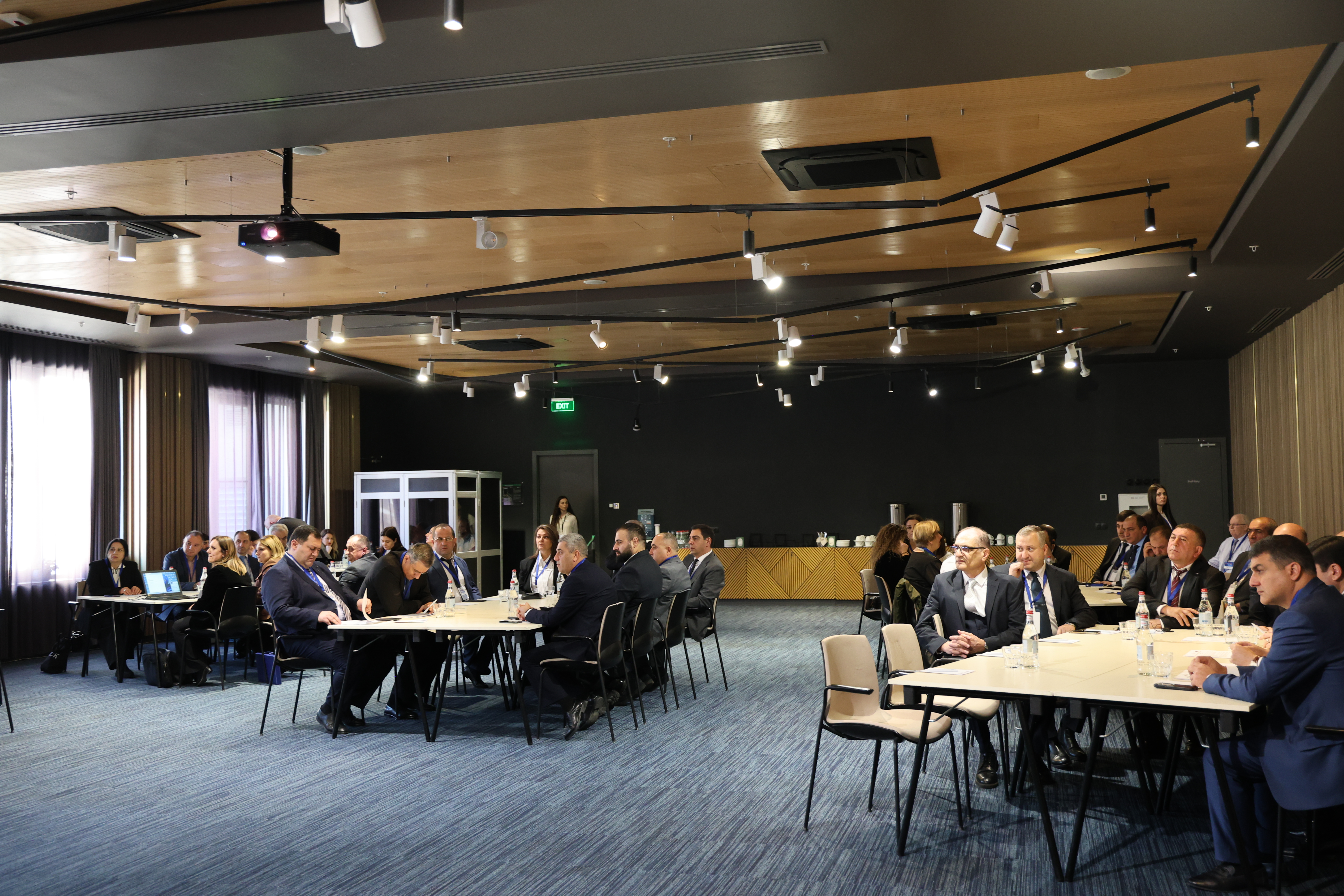
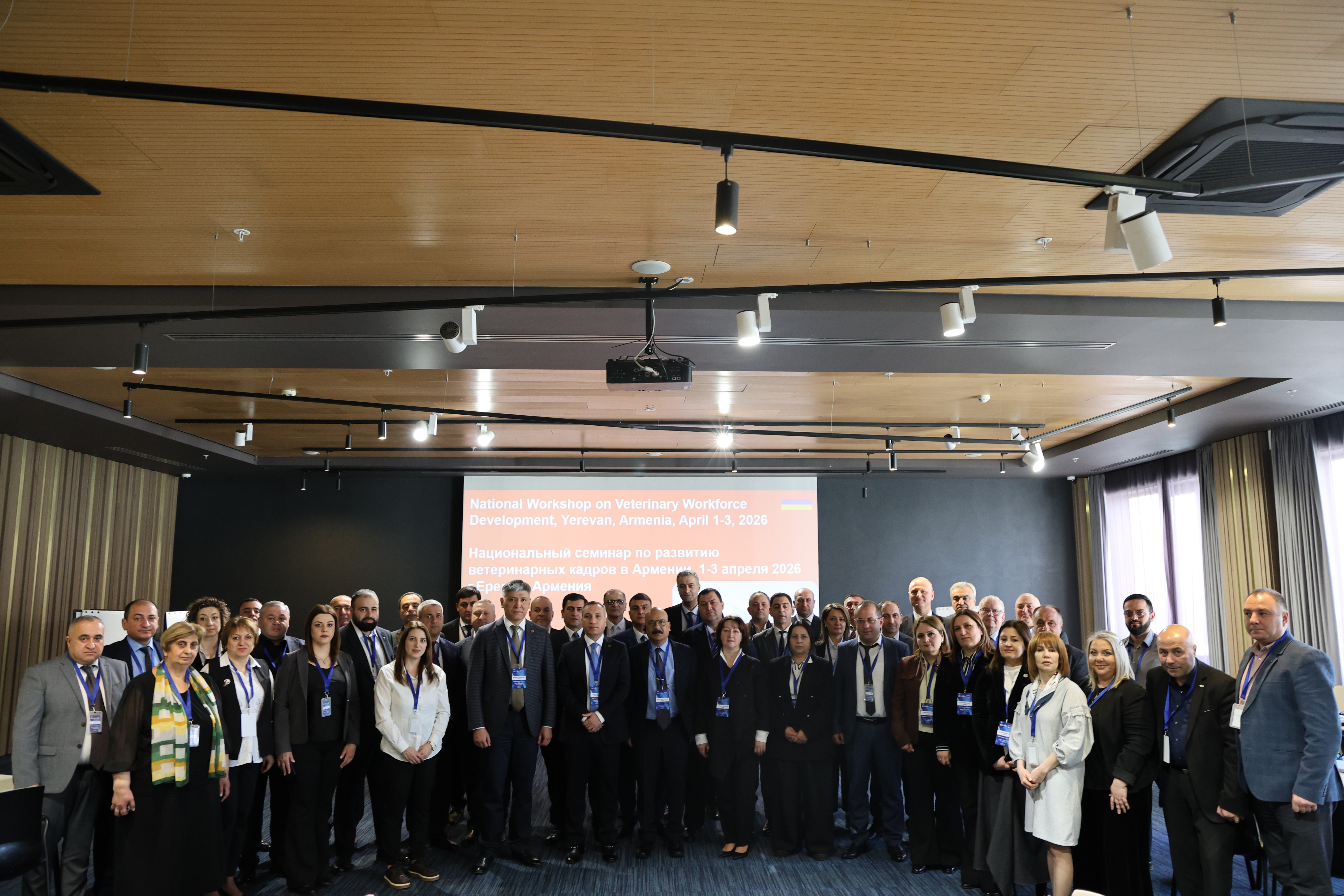
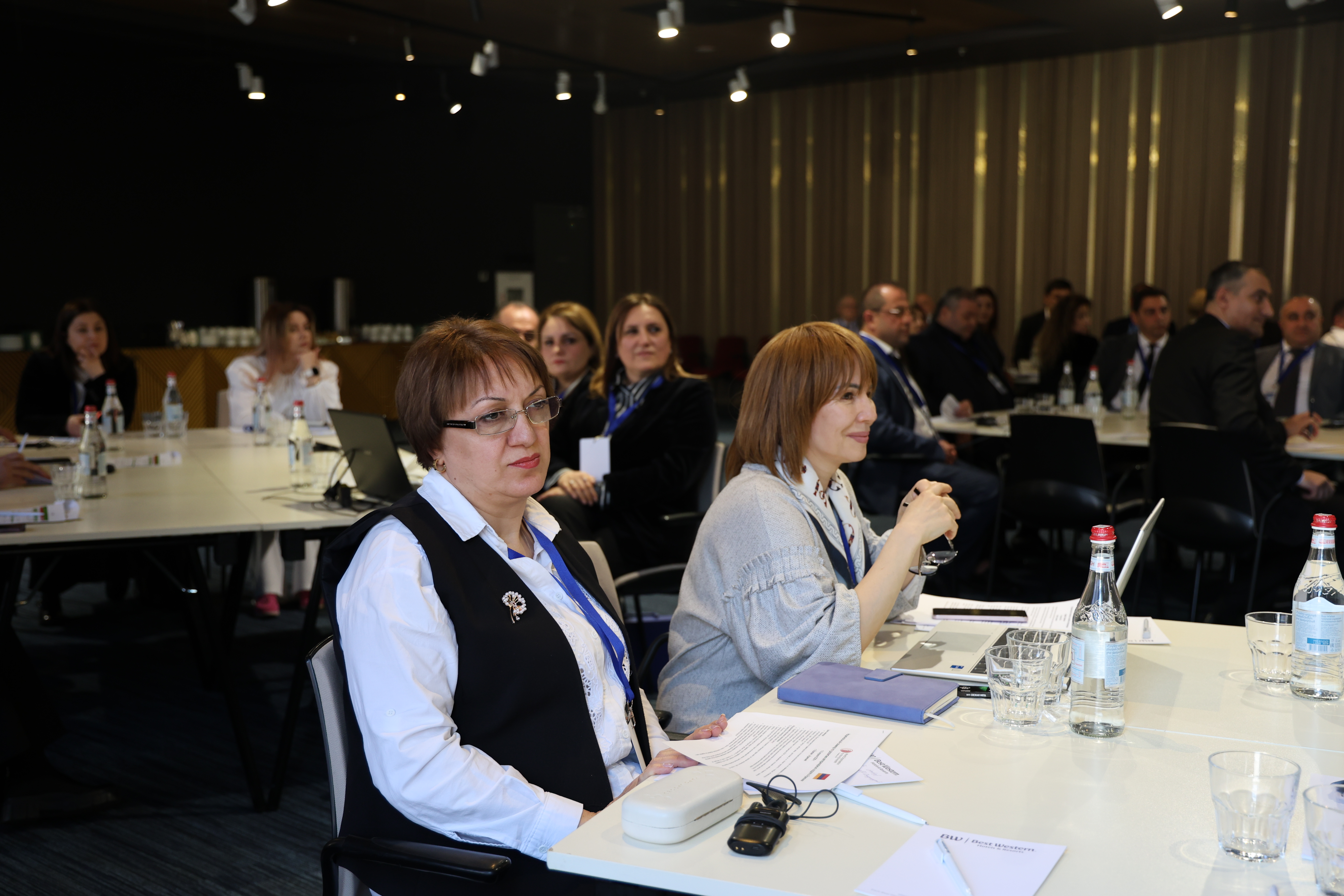
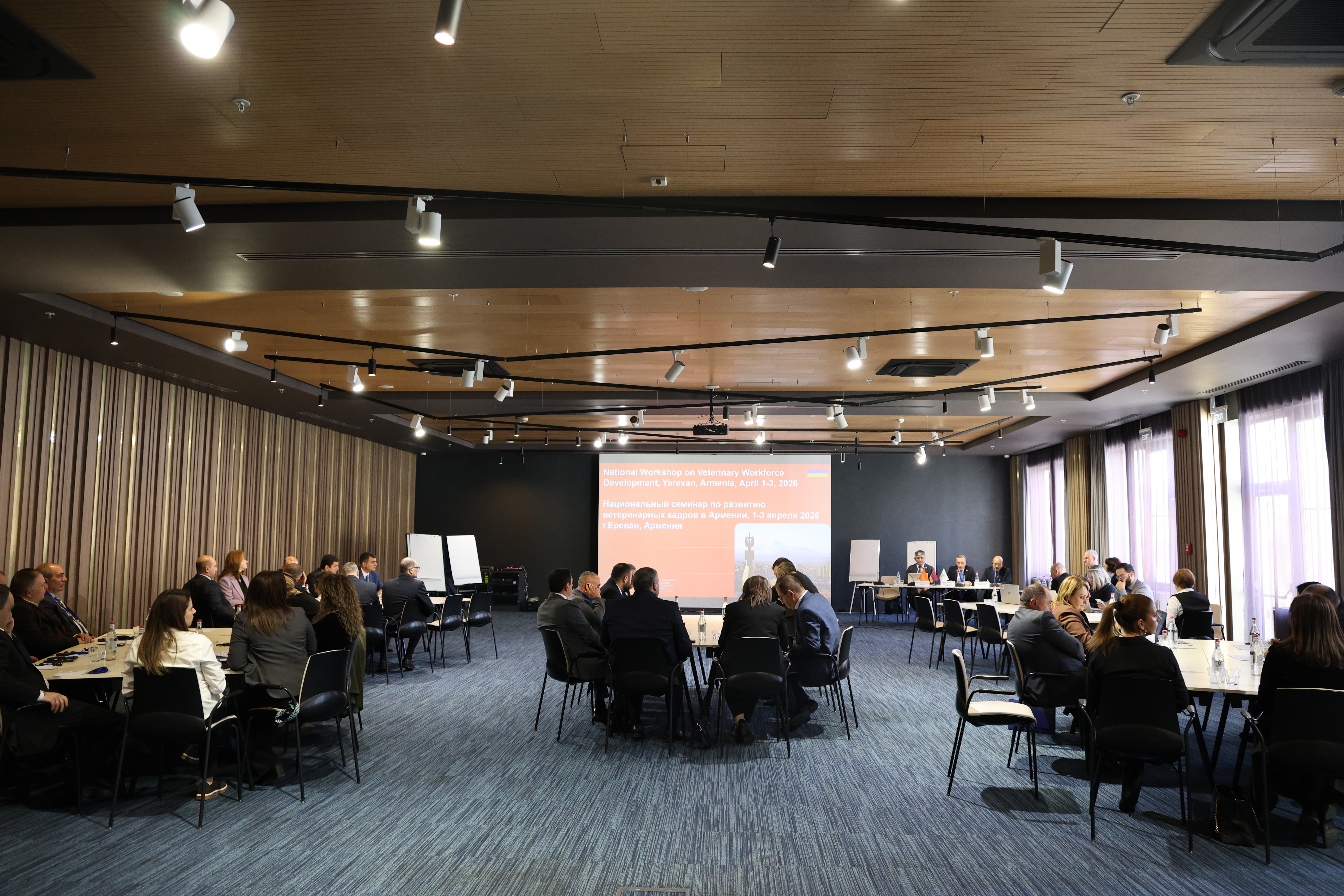
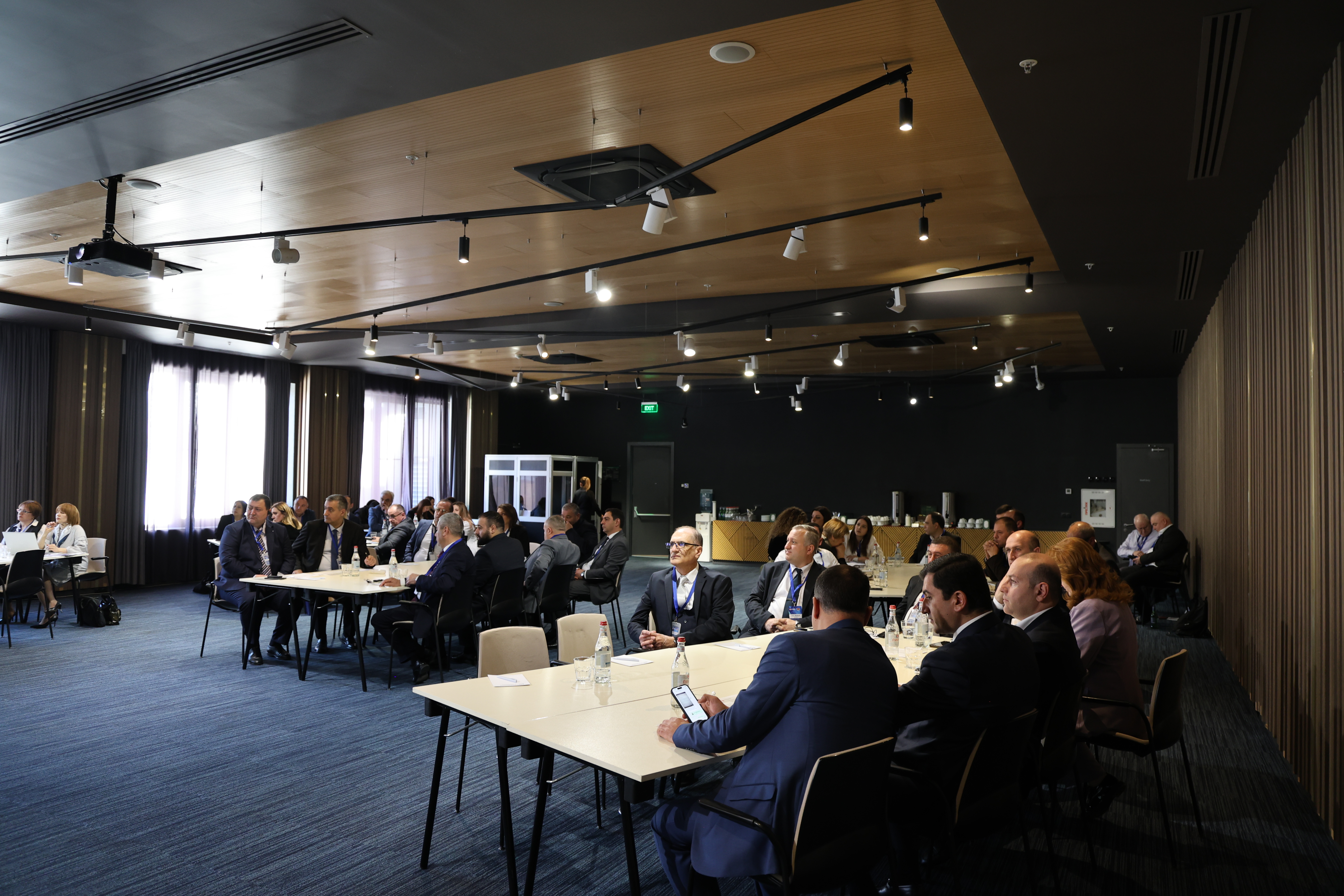
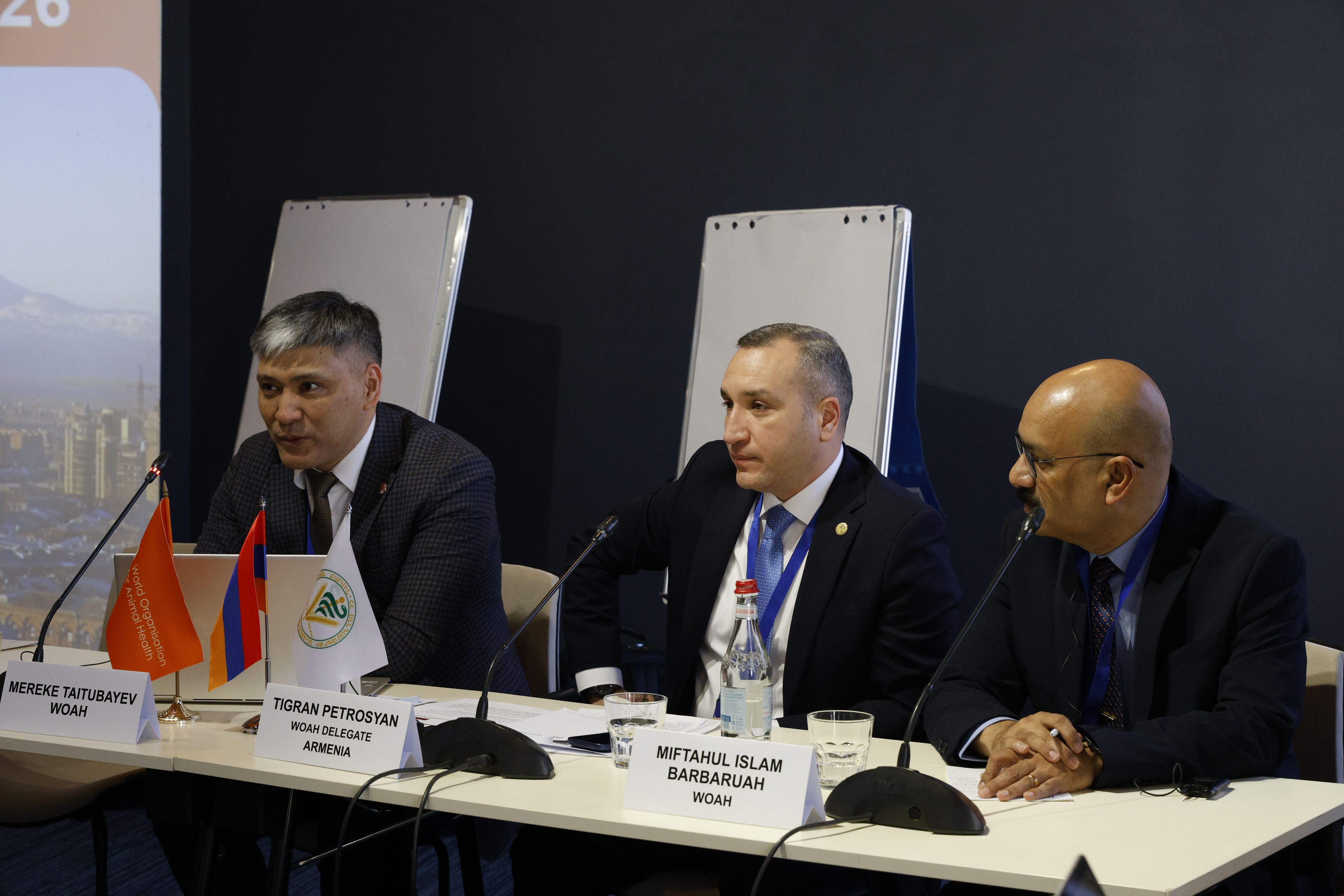 A three-day National Workshop on Veterinary Workforce Development launched today in Yerevan, organized jointly by the World Organisation for Animal Health (WOAH) and the Food Safety Inspection Body of the Republic of Armenia.
The workshop aims to discuss priorities for assessing and planning veterinary workforce resources; a critical component of the country’s public health and biosafety system together with regulatory bodies, educational and scientific institutions, and partners operating under the "One Health" approach.
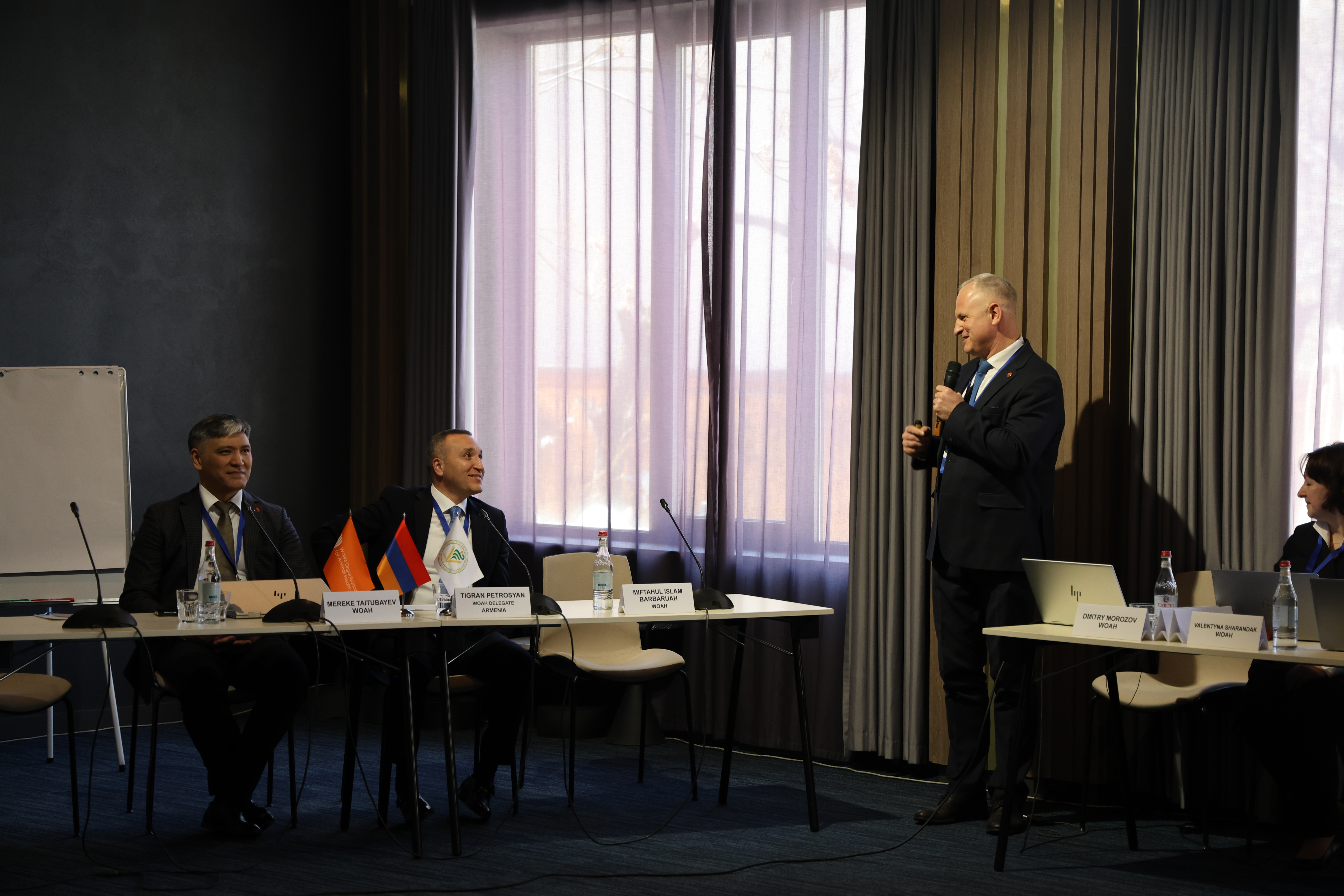
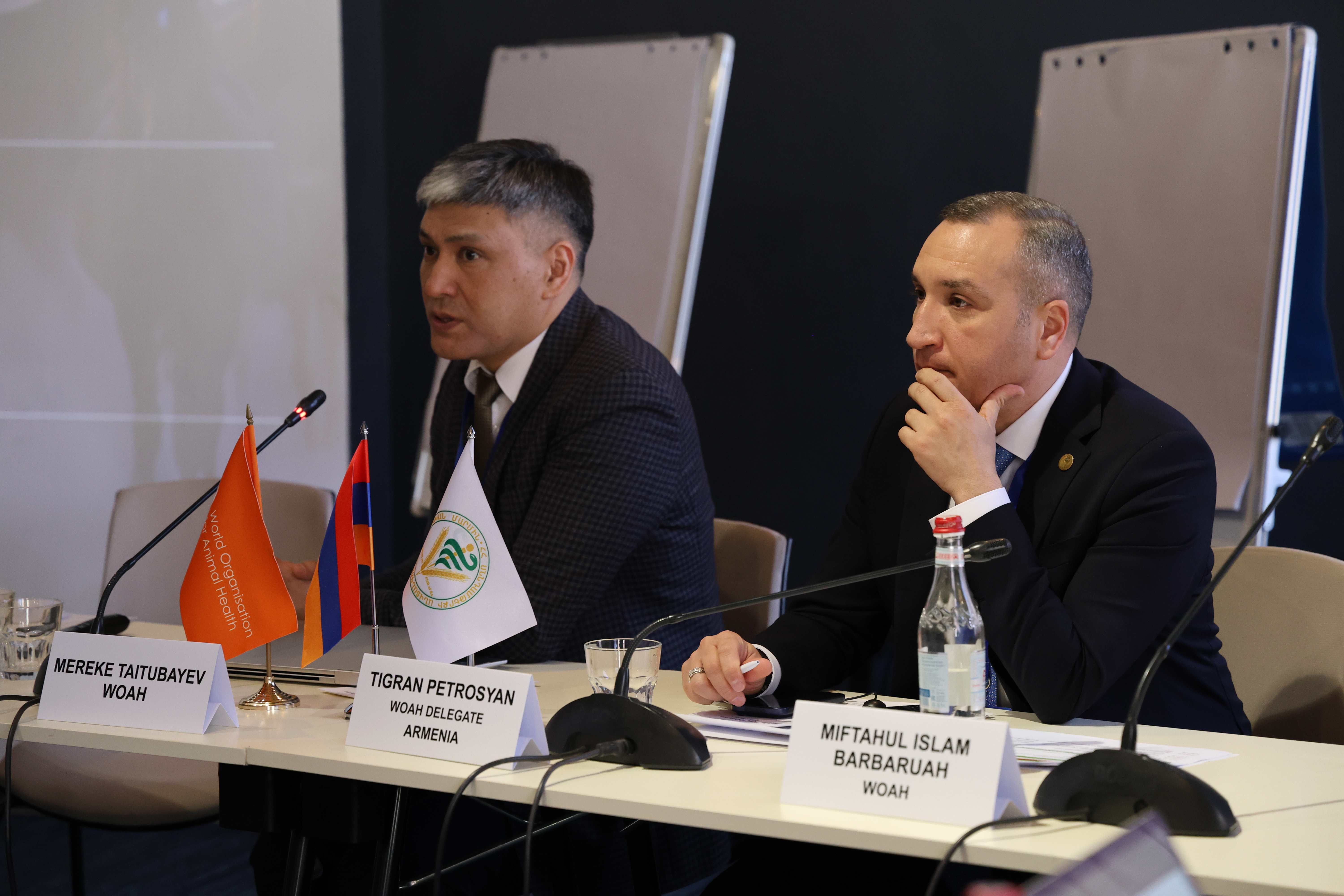
Welcoming the participants, Tigran Petrosyan, Head of the Inspection Body, noted that the development of human capital in the field of veterinary must become one of our top priorities: I am confident that during this workshop, we will be able not only to discuss current challenges but also to develop specific and practical solutions ranging from enhancing educational programs to increasing the attractiveness of the profession for young specialists. Our work is built within the “One Health” framework, which highlights the inseparable link between human, animal and environmental health, the Head of the Inspection Body emphasized.
Mereke Taitubayev, Head of the WOAH Sub-Regional Representation for Central Asia, also addressed the necessity of veterinary workforce development represented by the Inspection Body, which he emphasized is fundamental to the sustainability of these systems: as the Head of the Inspection Body emphasized, our efforts are also aimed at implementing the “One Health” principle. By enhancing the efficiency of the veterinary workforce, we contribute to strengthening the countries' capacity to respond quickly and effectively to epidemiological situations and the threat of transboundary diseases, stated Mr. Taitubayev.
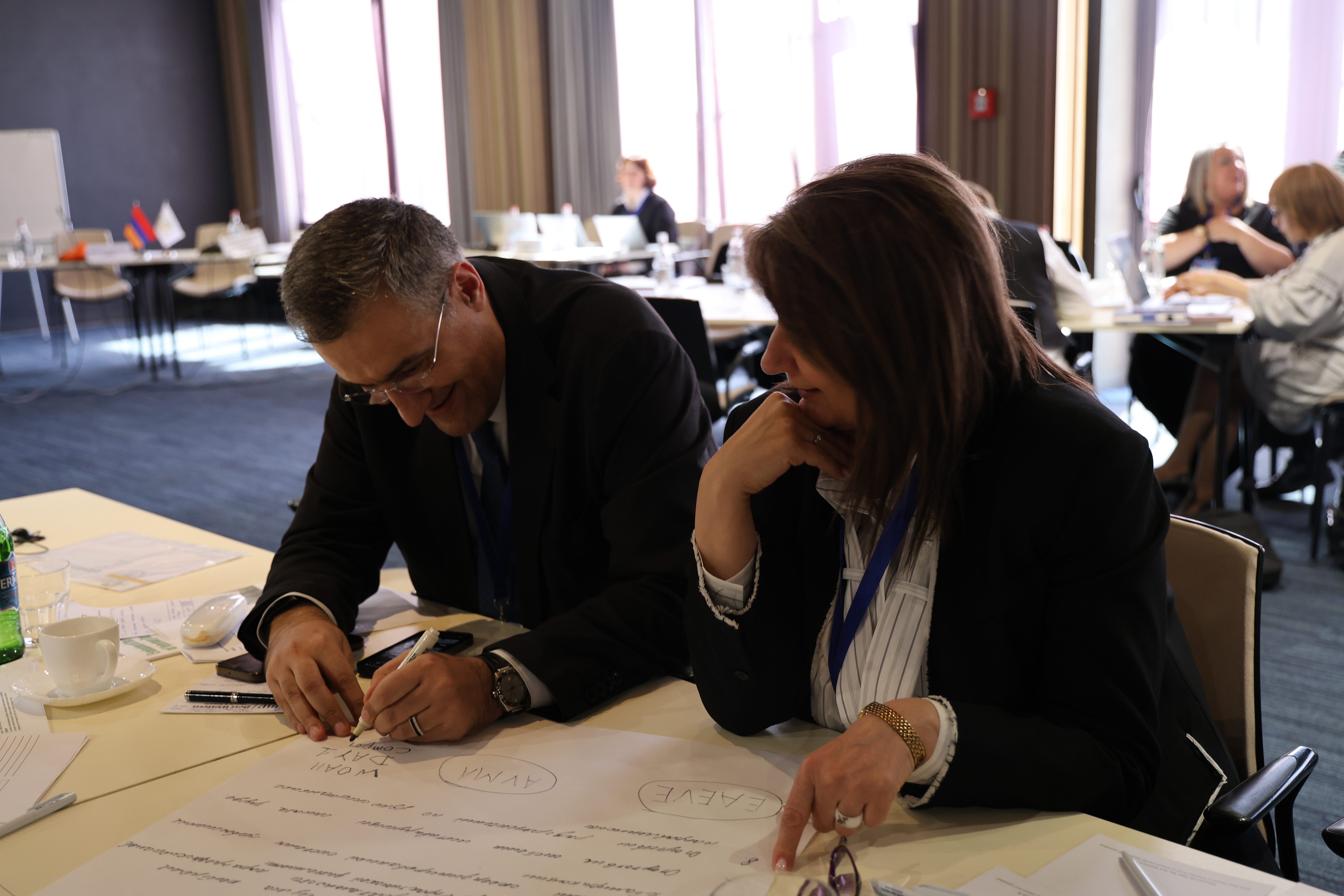
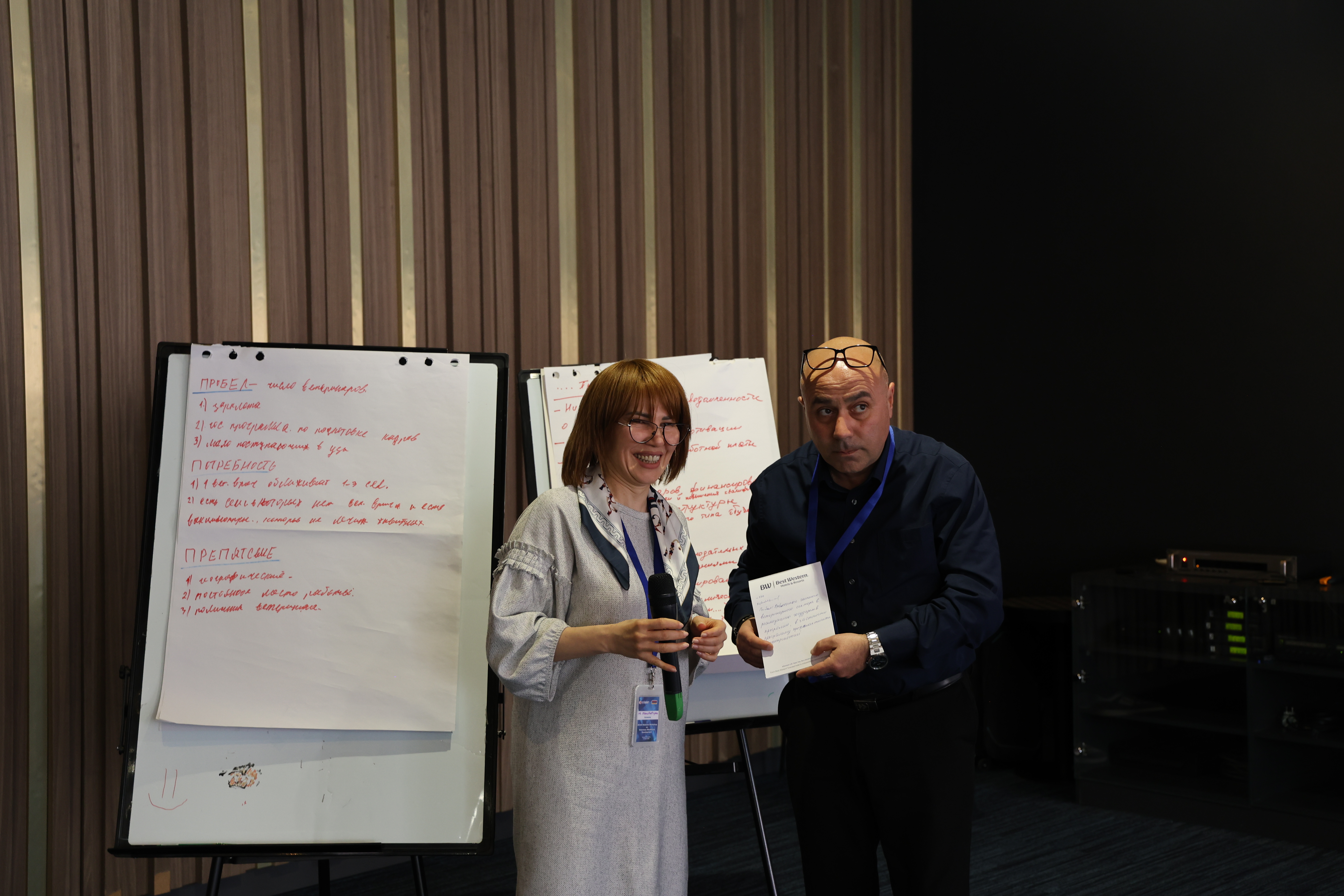
In the coming days, workshop participants will become familiar with WOAH’s capacity-building methodology, guidelines, and tools. They will discuss relevant assessment and planning approaches, tailoring them to the national context, develop a list of priority actions, and work toward drafting a roadmap for national veterinary workforce development.
Dmitry Morozov, Regional Coordinator for Veterinary Workforce Development in Eastern Europe and Central Asia, summarizing the outcomes of the workshop's first day, expressed confidence that by the end of the event, participants will be able to navigate the WOAH e-learning platform and identify relevant online courses to enhance their professional skills and workforce capacity.